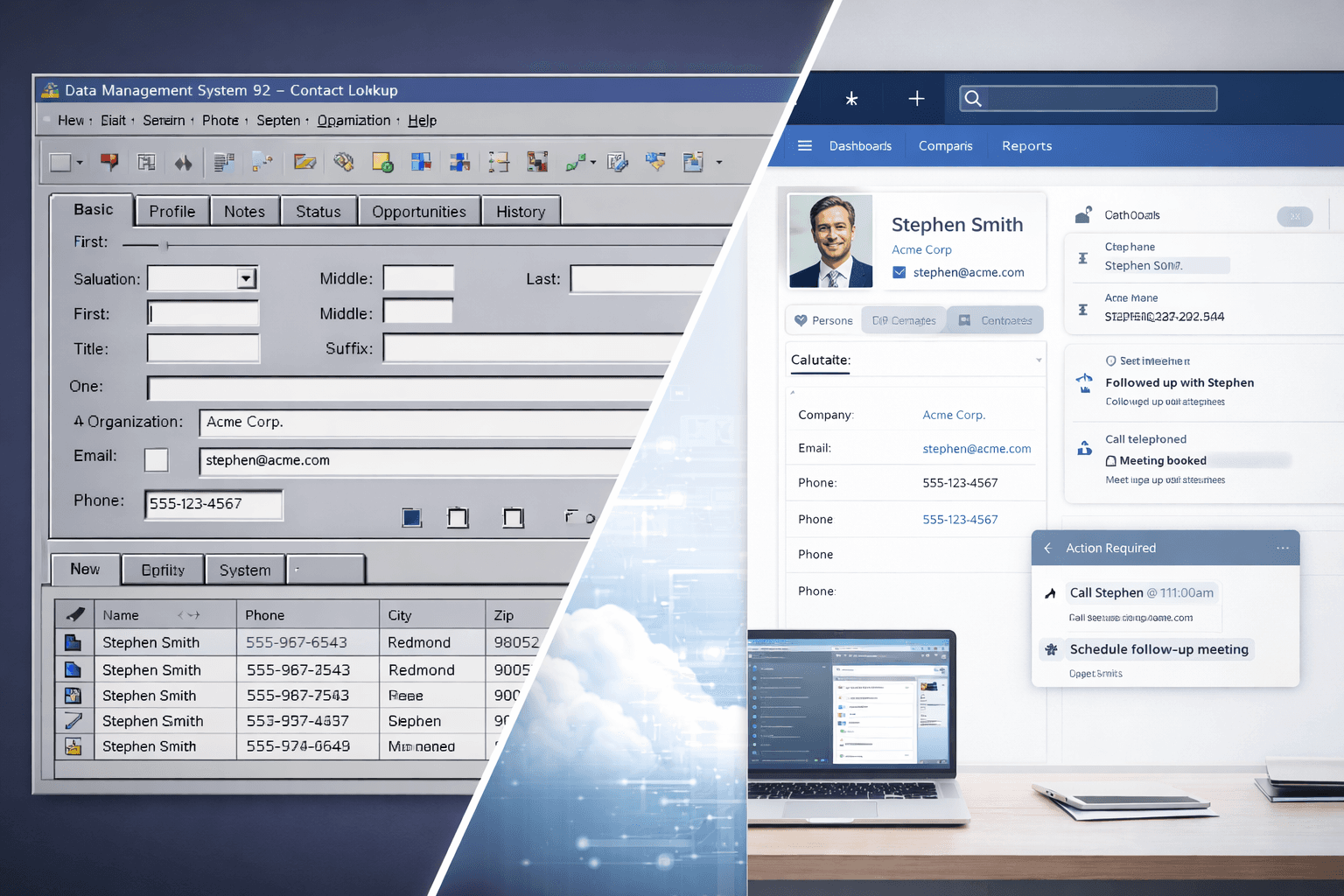
I've been using the same cost estimating software for eleven years. Last month, I discovered a feature that would have saved me hundreds of hours. It was buried three menus deep, labeled with an acronym I'd never encountered, and documented in a PDF that hasn't been updated since 2019.
This is normal. In defense contracting, software isn't designed to be learned. It's designed to be survived.
But here's what's interesting: 25 percent of the aerospace and defense workforce is at or beyond retirement age right now. In some regions, technician retirements will exceed 43 percent by 2030. The people who know where those features are buried—the ones who've spent decades building mental maps of counterintuitive interfaces—are leaving.
And they're not being replaced by people willing to tolerate the same tools.
The Institutional Knowledge Problem
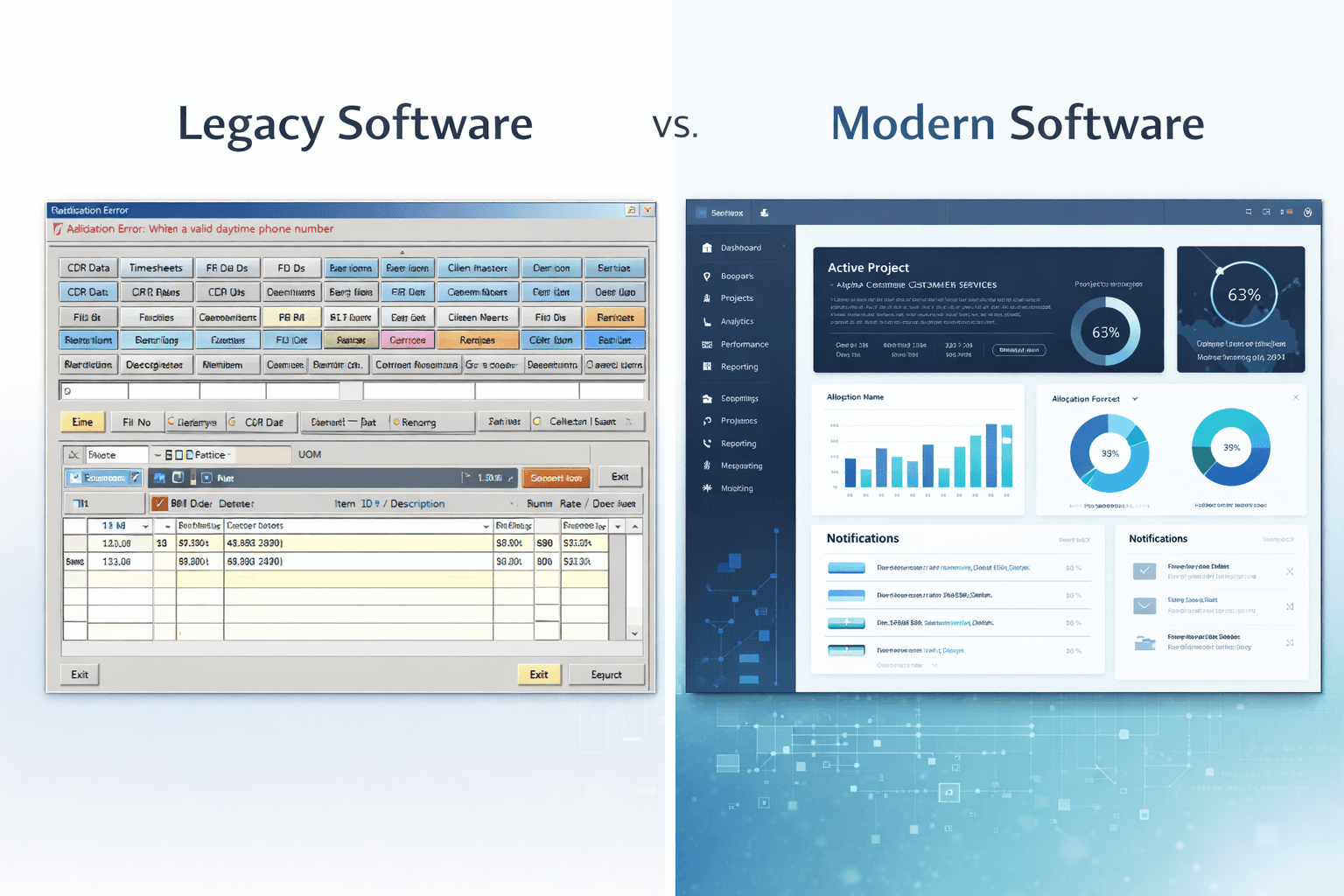
Open any enterprise tool used in government contracting for the first time. The interface assumes you already know how it works. Menus have seventeen options, none of which describe what they actually do. Error messages reference codes that aren't explained anywhere. Simple tasks require complex sequences that experienced users have memorized but can't easily teach.
Every organization has a handful of people who know the workarounds. They know that exporting a certain report requires saving it first, then reopening it, then exporting from the reopened version. They know that certain fields must be populated in a specific order or the system silently corrupts your data. They know which buttons do what they say and which ones don't.
This knowledge lives in people's heads. When those people retire, it leaves with them.
The standard response is documentation. Write it down. Create training materials. Build knowledge repositories. The problem is that much of this knowledge is tacit—learned through experience, never articulated, often not even consciously recognized until something breaks. You can't document what you don't know you know.
Different Expectations
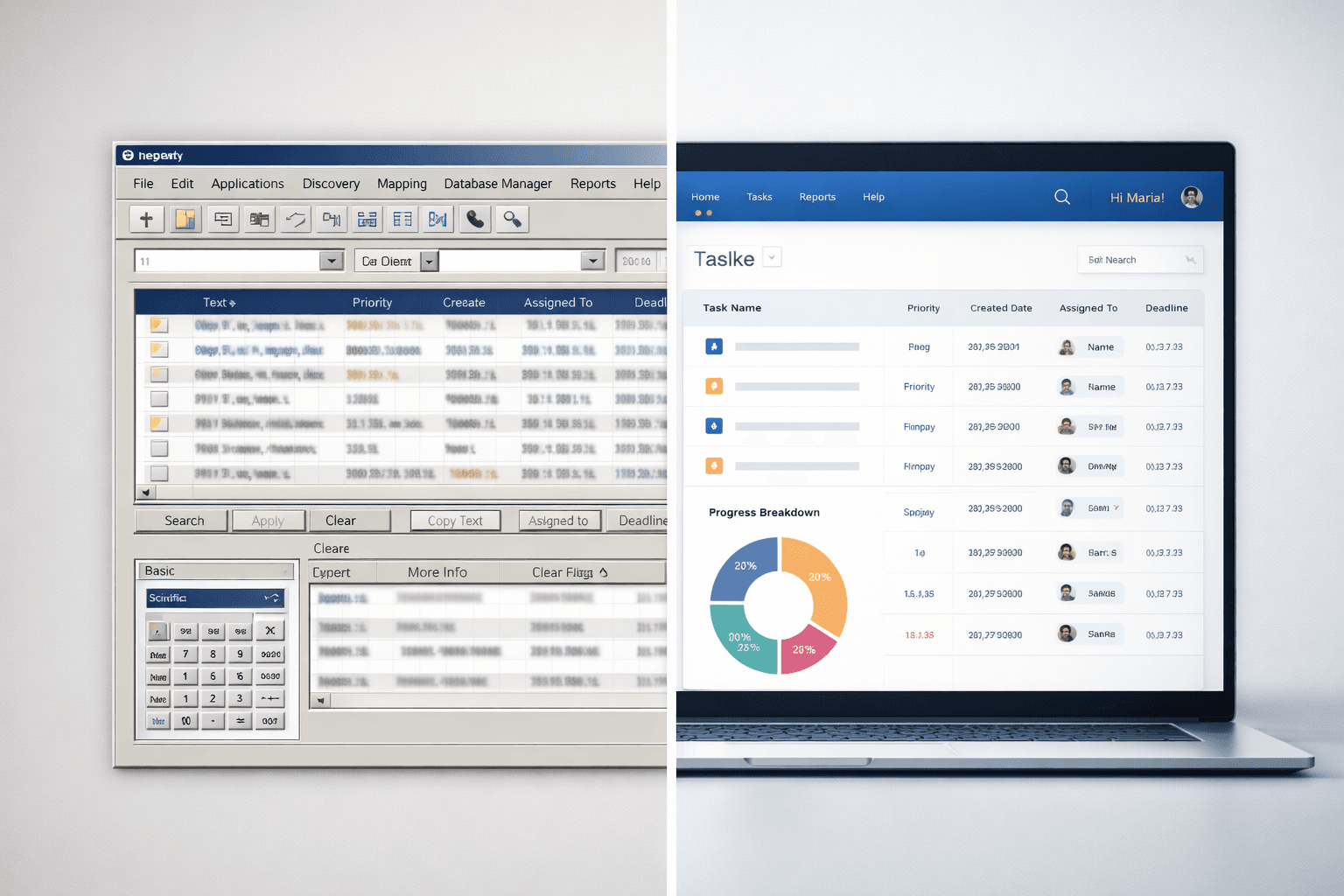
A 25-year-old engineer entering the defense industry today has grown up with software that responds instantly, explains itself through the interface, and doesn't require a three-day training course before accomplishing basic tasks. They've used tools where onboarding takes minutes, not weeks.
When they encounter enterprise software that looks like it was designed in 1998—because it was—their response isn't acceptance. It's confusion. Why does this exist? Who approved this? Why hasn't anyone fixed it?
This isn't entitlement. It's a rational assessment that the software doesn't meet basic standards for tool design.

The question isn't whether younger professionals will adapt to antiquated interfaces. The question is whether they'll stay in an industry that requires it—or take their clearances and their engineering degrees somewhere else.
The Recruiting Problem
Defense contractors are already struggling to attract technical talent. Compensation is part of that—cleared engineers can make significantly more elsewhere. But compensation isn't the only factor. Working environment matters. Daily experience matters. The tools you use eight hours a day matter.
When a prospective hire tours a facility and sees employees wrestling with software that hasn't been updated in fifteen years, that factors into their decision. They're comparing the experience to what they know is possible. The gap is obvious.
Every recruiter I've talked to in the past year has mentioned this. Candidates ask about the tech stack. They ask about the tools. They want to know if they'll spend their days fighting with software or using it.
The honest answer, at most defense contractors, is fighting.
What Comes Next
The generational transition creates two simultaneous pressures. First, institutional knowledge about existing tools is disappearing as experienced users retire. Second, the incoming workforce expects better tools than what's currently available.
Something has to give.
Some organizations are responding by doubling down on training—trying to transfer tacit knowledge before it walks out the door. Others are beginning to look at modern alternatives. The market is starting to move.
But the bigger opportunity isn't just replacing old software with slightly less old software. It's recognizing that the workflows themselves are ripe for rethinking.
A capture management system designed today wouldn't look like tools built in the 1990s. It would assume AI assistance is available. It would assume users can learn the interface in minutes, not months. It would assume automation handles the repetitive work while humans focus on judgment and strategy.
The companies that figure this out first will have an advantage in both recruiting and execution. They'll attract talent that competitors can't. They'll move faster on opportunities that require quick turnaround. They'll build institutional knowledge in systems, not just in people's heads.
The ones that don't will keep fighting for a shrinking pool of workers who remember how to use the old tools. The demographic data doesn't care which choice you make. The retirements are coming either way.
Indy-Pendent Solutions provides AI-augmented capture management, cost estimation, and proposal support for government contractors. josh@indypendentsolutions.com
Topics

Josh Parker
Founder of Indy-Pendent Solutions and flowState Software. Former Air Force combat rescue pilot, defense program manager, and capture strategist with 20+ years in defense acquisition.
Need help with your next capture?
Our software tools can help you win more government contracts.